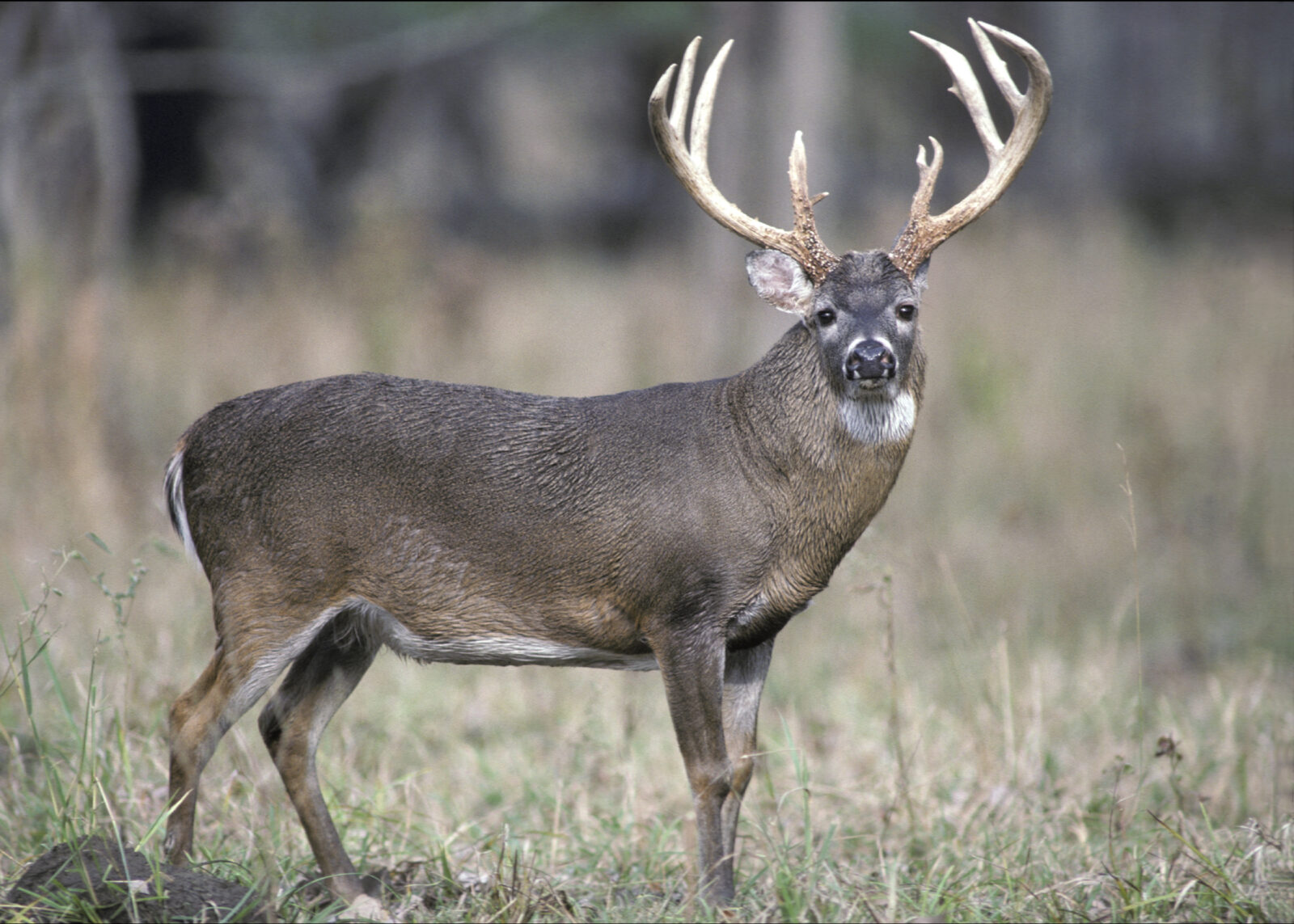
A taxidermist I know who sees a lot of volume swears that the biggest bucks brought to him every year tend to come off cattle farms.
I tried to find any university studies on the impact of cattle on deer habitat but all of them seem to be focused on western rangelands. One study in west Texas found that the largest bucks on land with cattle weighed an average of 20 pounds more than on land without cattle.
The consensus of the studies is that as long as cross-fencing and rotational grazing is used without overgrazing, cattle are a net positive. The cattle serve as a constant habitat “disturbance” similar to bushhogging, mulching, or burning which prevents grasses, briars, forbs, and woody species from reaching maturity where nutrition and digestibility is low. They primarily eat low desirability grasses which opens the pastures to sunlight where native forbs can germinate, compete, and grow, and their constant trampling of thickets and light browsing on woody/forb species on edge habitat causes constant tender fresh growth which is far more nutritious and preferable by deer. Deer also benefit from the liming, fertilization, and cool season clovers that tend to be mixed with pasture grasses by ranchers.
I’d love to know the opinions of others on here who hunt cattle land, as well as people like Matt Brock who study habitat, and CNC who has exposure to a lot of land through tracking. Is cattle farm land in Alabama actually better habitat than the average larger tracts of woods most of us tend to associate with better hunting?
After switching to primarily hunting cattle land myself the last several years, I am starting to think yes, as long as there is enough cover/bedding remaining in the creek bottoms, there is modern rotational grazing, and the cows aren’t overstocked.