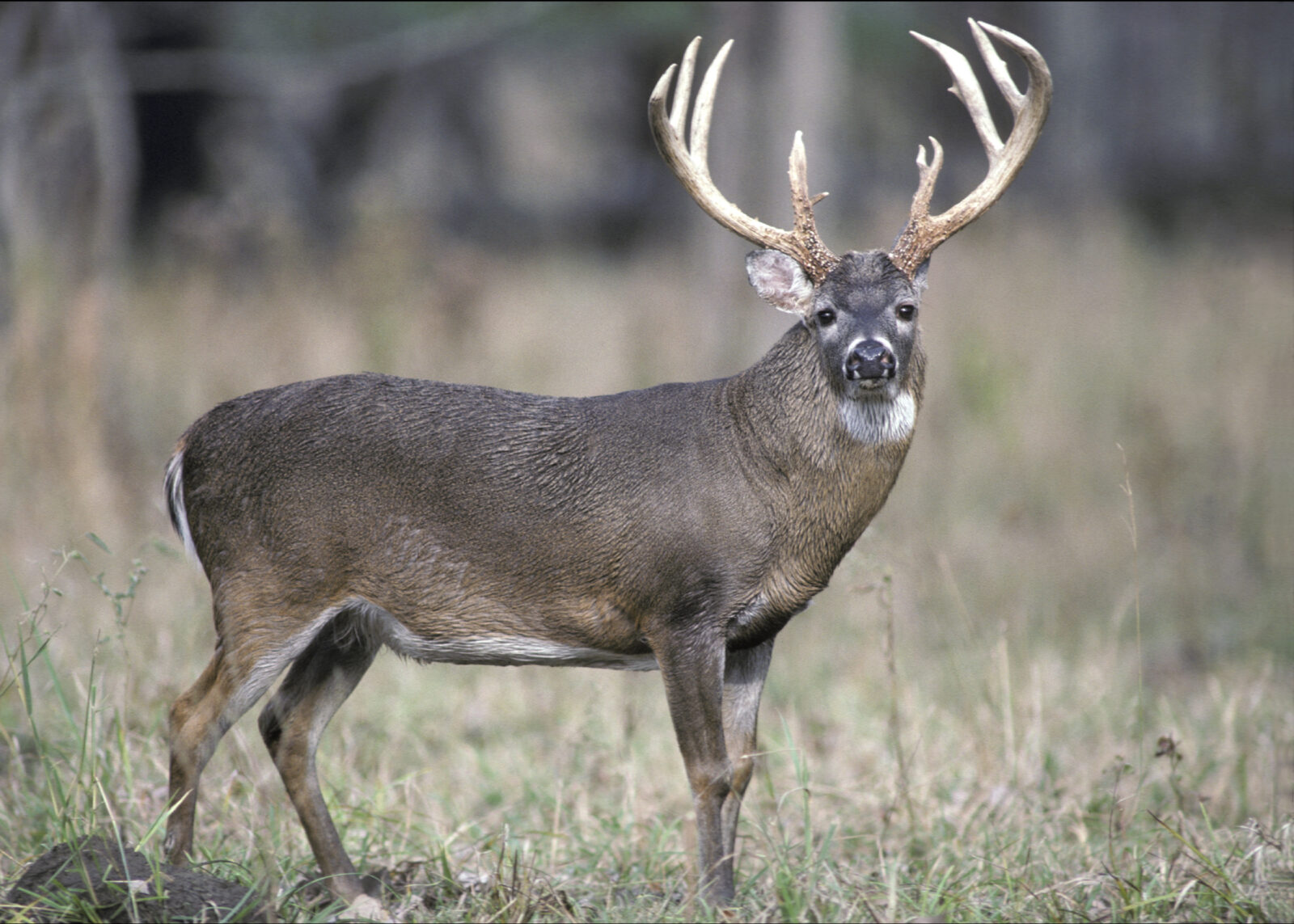
The primary stress is stress on the doe from conception to birth. Her fitness and health determines which epigenetic triggers flip for the life of the offspring. Healthy does drop fawns genetically programmed for higher gene expression. If they’ve grown up in a suppressed environment their gene expression is suppressed
.
That MSU study showing how doe health/nutrition not only impacts the genetic expression of her offspring, but also her grandchildren is fascinating to me. “Genetically inferior” piney woods deer from South MS were even with or outproducing Delta bucks in body weight and antlers when given the same food and environment, but only after both their grandmother and mother were born in the nutritious healthy environment. Mothers living in poor conditions program their offspring for 2 generations to limit their size/weight/antlers in order to reduce their calorie and nutritional needs, and therefore their likelihood of survival in what will likely be a poor environment for them as well.
The same effect is seen in humans. South Korean women today are 8 inches taller on average than the early 1900’s. British Americans living in the colonies became increasingly taller than their British counterparts. Same genetics, but multiple generations of improved nutrition and environment.