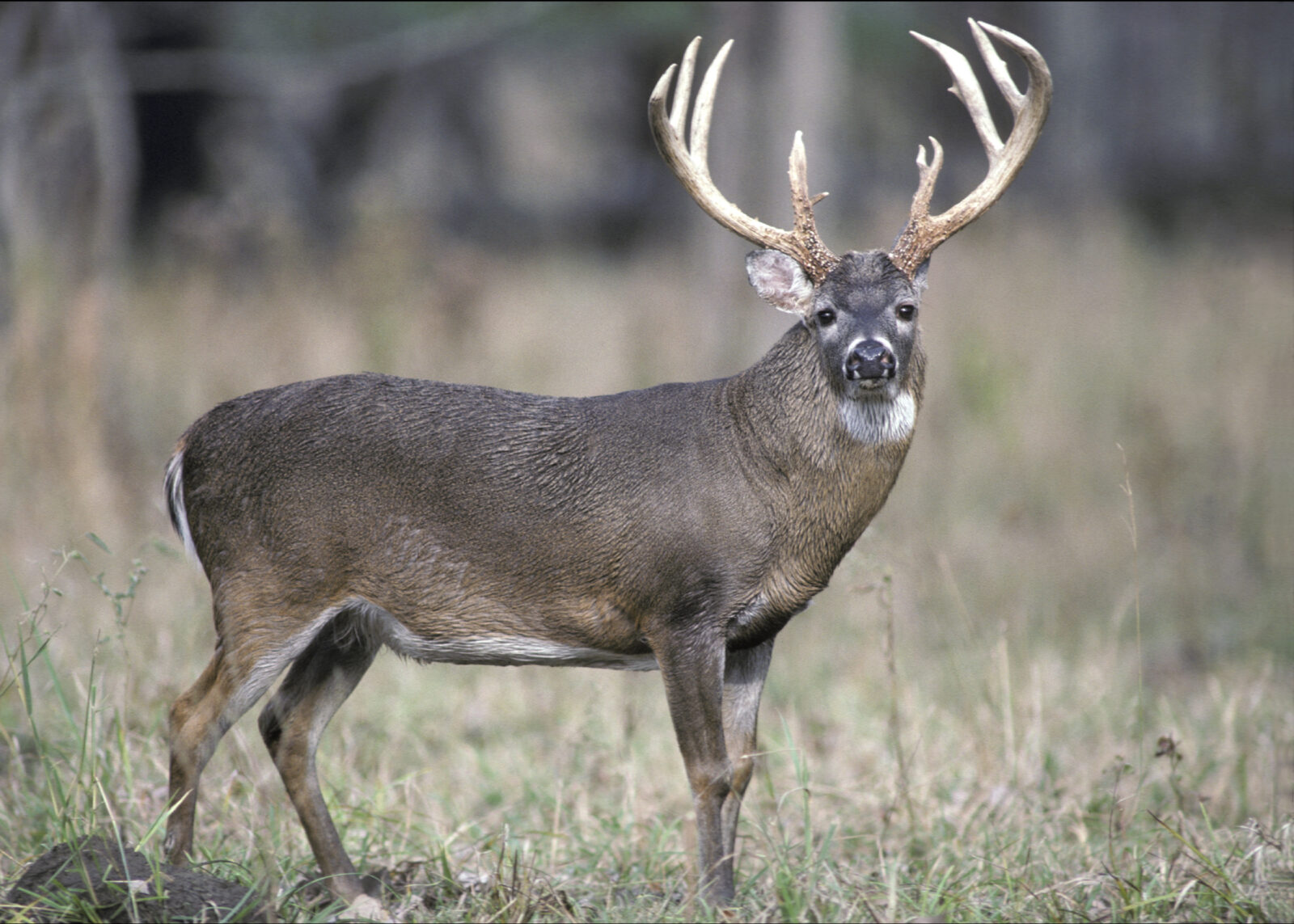
That is not true at all. The buck is 50% of the genetics, plain and simple. That's like saying a 175" buck's male offspring will have 175" of antler potential no matter who the mother is. If doe genetics can influence buck antler size then buck genetics can influence doe estrous dates.
..If you say bucks and does both effect the rut timing equally then offer up a reason for how these distinct populations exist with that being true…..In some places across as little distance as a 4-lane highway.
Easy. Large variations in source genetics from restocking resulting in dominant gene pools in certain areas. Long range wandering bucks carry their genes with them but are not going to drastically alter the genetic estrous timing of a large area if they stop into a different dominant genetic area and breed one or two does. That is an outlier scenario rather than the norm. For every 1 new buck breeding a doe 10 miles from his home, there are probably 25 local bucks breeding does. It is the same reason that releasing those breeder bucks failed to have any effect on the black belt deer herd when they tried that. Also, as you said before, an outlier fawn born much earlier or later than the dominant herd timing is far more likely to be killed by predators. So outlier genes get taken out quickly.
In 500 years I would bet the Alabama rut eventually evens out into a more consistent date, but it has only been 50 or 60 years since most of this state had almost no deer. Most deer spend their whole lives within a few mile area, including bucks. It would take hundreds of years for surrounding January rut genetics to change the Bankhead gene pool because November is so dominant there. And it has nothing to do with highways.
A more interesting question would be what happens if a buck carrying January estrous genes breeds a doe with November genes (or vice versa)? Would a female offspring go into estrous in December halfway between each date or is one date more dominant genetically like blond hair vs. dark hair in humans?